 Send mail:
 Call us:+86-510-87555500
 Whatsapp:+86 18006174555
 Search
 English
  中文简体
中文简体 日本語
日本語 русский
 عربى
عربى Inquiry Us Now
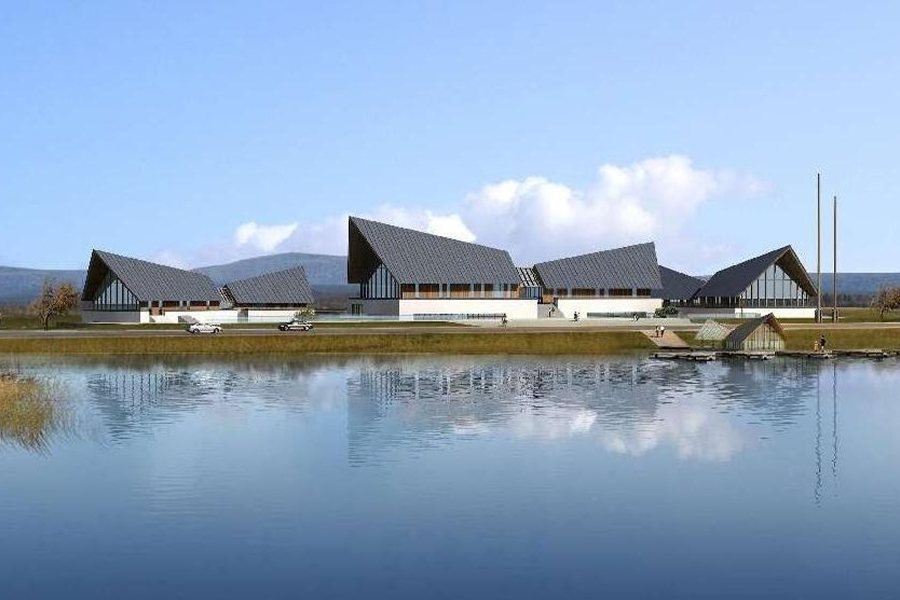
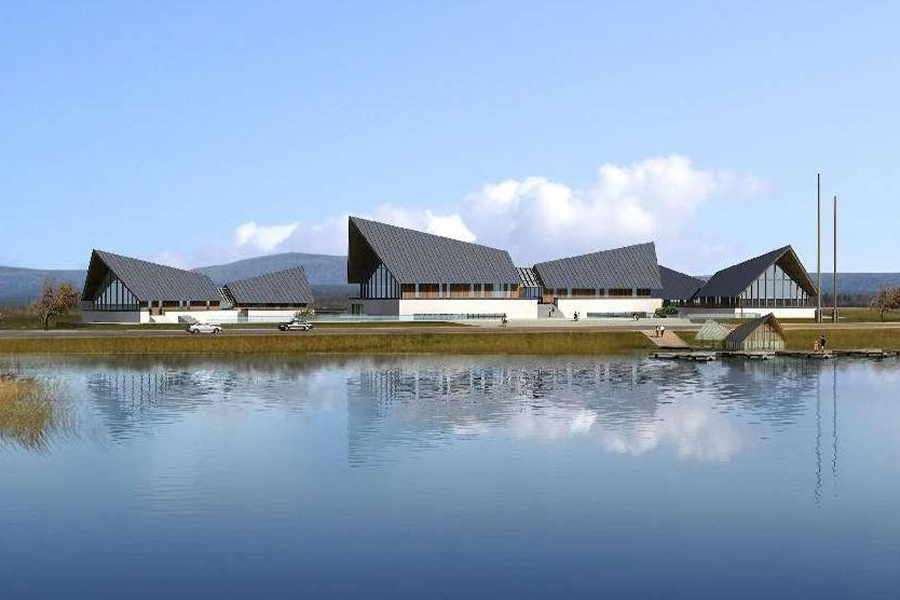
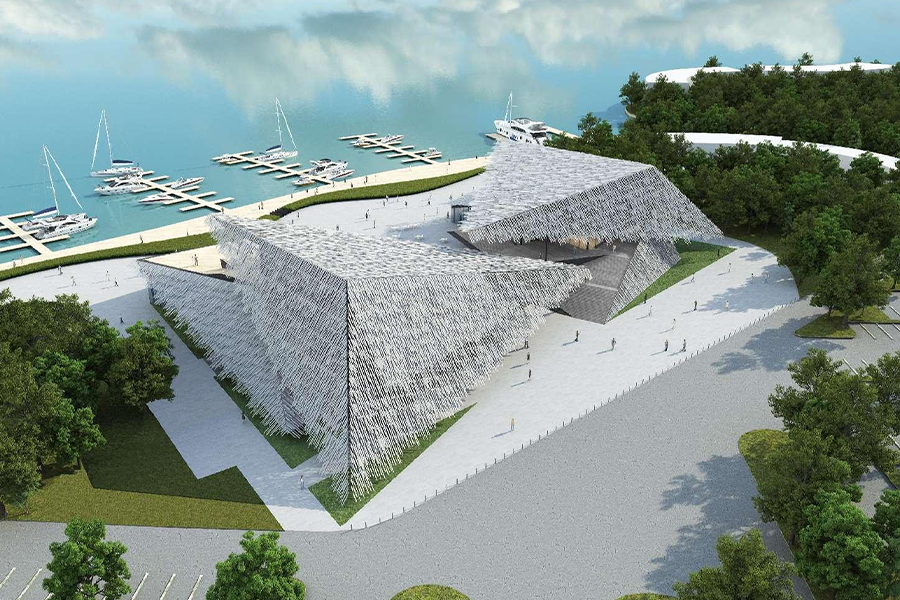
Yangcheng Lake Tourist Service Center
Project Name: Yangcheng Lake Tourist Service Center – Yangcheng Lake Tourism Distribution Center
The project is located in the beautiful Suzhou Taihu Lake Tourism Area. The entire building was designed by Japanese architectural master Kengo Kuma, with “symbiosis with nature” as the core design concept. The steel structural system balances aesthetic expression, spatial adaptability, and integration with the regional environment. It not only meets the practical requirements of a tourism distribution hub, but also echoes the natural textures of the surrounding lake scenery and wetlands of Yangcheng Lake. The steel structure was designed by our company based on the architectural scheme.
Building Scale: 1 basement level and 3 above-ground levels, with a total gross floor area of 6,847.65 ㎡, including 4,947.93 ㎡ above ground and 1,899.72 ㎡ underground.
Core Structural System: The main structure adopts an all-steel structural frame. The roof is a large-span, long-cantilever steel structural system. The primary load-bearing members are H-shaped steel sections, combined with auxiliary steel profiles, achieving both structural stability and high formability.
Spatial Base: The building plan takes on an open “V-shaped” layout facing the lake. The roof is composed of multiple large triangular steel structural units arranged in overlapping layers, creating a relaxed form that follows the lakeshore contour and serving as a key hub connecting land and water transportation.
Flexible Steel Frame Adaptation, Balancing Functionality and Spatial Plasticity: The all-steel structural frame of the main body offers high rigidity and flexible layout, minimizing redundant load-bearing columns and creating transparent, open interior distribution spaces. This layout accommodates diverse functions such as crowd circulation, temporary rest areas, and information services. The steel structural components are precisely connected, allowing partial adjustments in later stages to meet functional upgrade requirements without altering the main structure, thereby supporting ongoing operational optimization of the tourist service center.




 +86 18006174555
 +86-510-87555500
