 Send mail:
 Call us:+86-510-87555500
 Whatsapp:+86 18006174555
 Search
 English
  中文简体
中文简体 日本語
日本語 русский
 عربى
عربى Inquiry Us Now
Steel Structure Commercial Building Solutions | Rongbro EPC Contractor
Steel accounts for the structural backbone of over 70% of modern commercial and industrial buildings worldwide — and that number keeps climbing. As developers face tighter timelines, tighter budgets, and growing pressure to build sustainably, steel structure commercial building solutions have moved from a niche preference to the default choice for serious projects. The global prefabricated building and structural steel market reached USD 260.6 billion in 2025, with commercial applications posting the fastest growth rate among all segments.
For business owners, developers, and project managers evaluating their next commercial build, the question is no longer whether steel is viable — it's how to find the right solution provider and get the most from the system.
Content
- 1 Why Commercial Projects Are Turning to Steel
- 2 Core Advantages of Steel Structure Commercial Buildings
- 3 Commercial Applications: From Retail to Industrial Parks
- 4 What to Look for in a Steel Structure Solution Provider
- 5 Rongbro's Approach to Commercial Steel Structures
- 6 Getting Started: From Inquiry to Handover
Why Commercial Projects Are Turning to Steel
The shift toward steel in commercial construction isn't a trend — it reflects hard economics. Traditional brick-and-mortar or concrete-frame builds carry high labor costs, long curing times, and limited flexibility once complete. Steel eliminates most of those constraints at the foundation level.
Commercial steel buildings can be erected in a fraction of the time of equivalent conventional structures, with some projects cutting construction schedules by 30% or more. For a business owner paying rent on a temporary location or a developer running against a lease commitment deadline, that time compression has direct financial value.
The market data reflects this reality. Steel frames are used in 56% of commercial buildings above five stories in the United States, and in China, over 38% of new urban construction now incorporates steel structural frameworks. In rapidly developing regions across Southeast Asia, Africa, and the Middle East, demand is accelerating further as urbanization drives the need for scalable, high-performance commercial infrastructure.
Core Advantages of Steel Structure Commercial Buildings
Steel's dominance in commercial construction rests on a combination of structural, economic, and operational advantages that no other material currently matches at scale.
Speed of construction. Prefabricated steel components are manufactured to precise tolerances in the factory, then assembled on-site. This approach eliminates the weather delays, curing periods, and sequencing bottlenecks that slow conventional builds. A commercial steel structure that would take 18 months to build with concrete can often be erected in 10 to 12.
Clear-span interiors. Steel's exceptional strength-to-weight ratio allows for wide column-free floor plans that concrete simply cannot achieve at comparable cost. For retail showrooms, logistics hubs, manufacturing floors, and open-plan offices, this translates directly into usable space and operational flexibility.
Long-term durability. Properly fabricated and treated steel structures resist fire, pests, moisture, and seismic loads with performance that wood and conventional masonry cannot match. Modern fire-resistant coatings and corrosion-proof alloys are now standard in quality commercial steel builds, and are featured in over 11,000 projects globally as of 2023–2024.
Cost efficiency over the building lifecycle. Steel buildings save 20–30% compared to traditional construction through reduced framing costs and faster build times. Pre-engineered designs with energy-efficient envelope systems can cut operational utility costs by a further 20–40% over the building's life.
Sustainability credentials. Structural steel contains up to 93% recycled content and is 100% recyclable at end of life without loss of quality. For developers seeking LEED certification or meeting green procurement mandates from institutional clients, this is a significant differentiator.
Commercial Applications: From Retail to Industrial Parks
Steel structure solutions are not one-size-fits-all — they adapt to a wide range of commercial building types, each with distinct structural and functional demands.
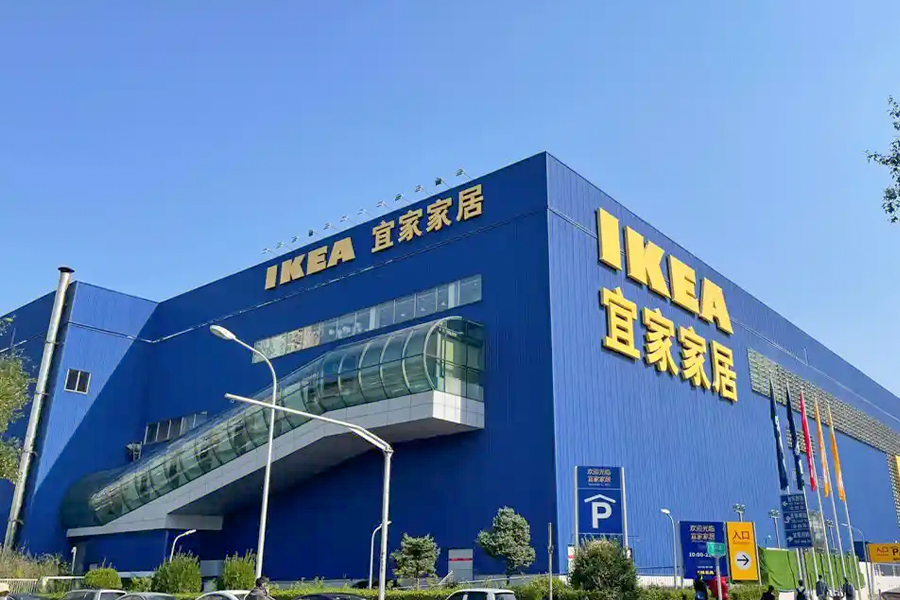
Retail and shopping centers. Steel frames support open-plan layouts with generous ceiling heights, easy integration of skylights, and the ability to customize exterior facades with glass, cladding, stone, or composite panels. Developers building standalone stores or multi-unit plazas benefit from fast fit-out timelines and low long-term maintenance costs. For businesses looking at commercial and residential steel building projects, steel's design versatility enables branded architectural expression without sacrificing structural economy.
Offices and mixed-use developments. Multi-story steel-framed office buildings integrate cleanly with modern HVAC systems, raised flooring, high-performance glazing, and interior partition systems. The structural grid can accommodate open-plan floors or divided private suites without redesigning the frame. For high-rise steel building structures, the material's favorable weight-to-strength ratio reduces foundation loads and enables faster vertical construction.
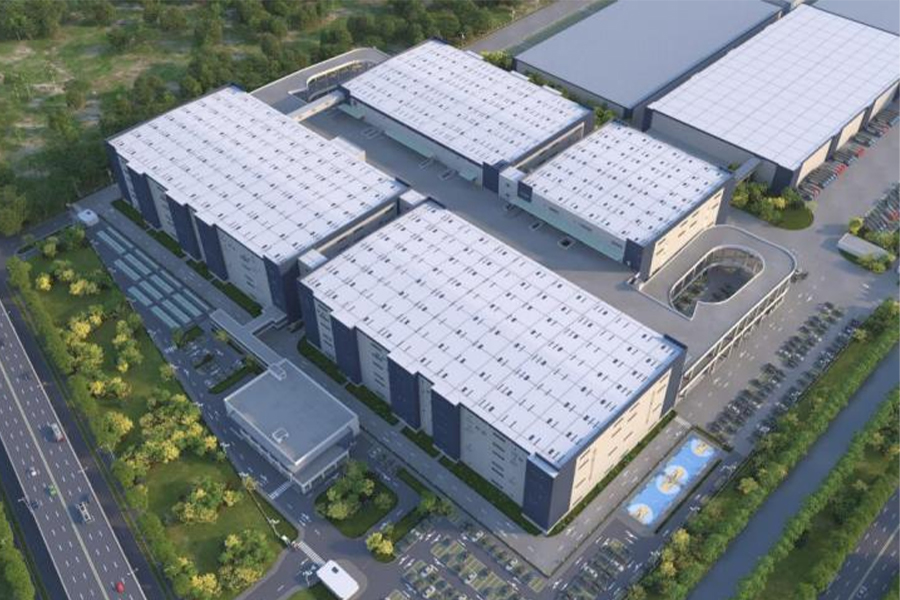
Warehouses and logistics facilities. High clear-height spans, heavy floor load ratings, and straightforward expansion capabilities make steel the standard for modern distribution centers and storage warehouses. Racking systems, mezzanine levels, and overhead crane rails integrate directly into the structural frame.
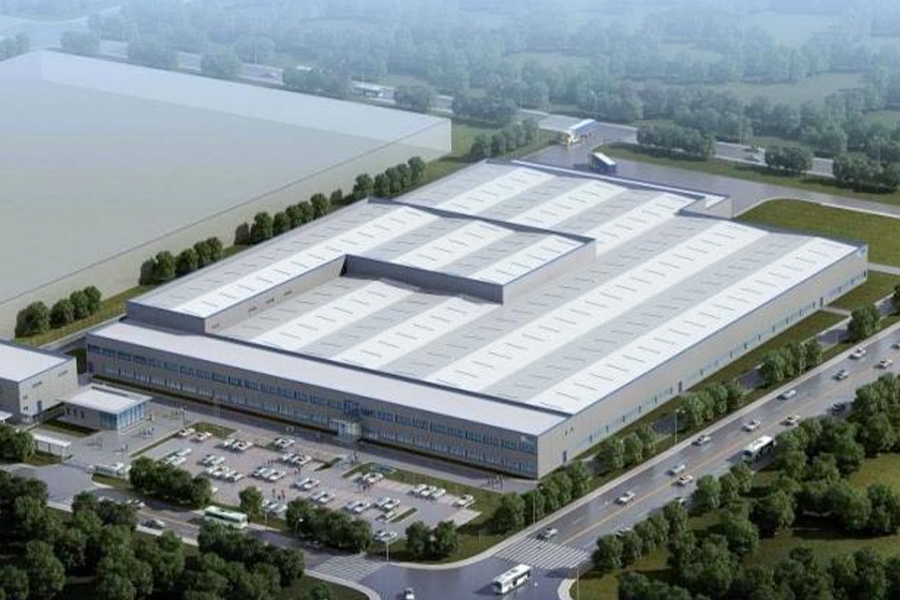
Manufacturing and industrial facilities. Production environments require structures that can support heavy equipment, crane systems, vibration loads, and specific clearance heights. Steel frames are engineered to handle these loads while keeping floor plans free of obstructing columns.
Public and civic buildings. Airports, sports venues, exhibition halls, and community centers increasingly rely on steel for long-span roof systems and complex geometries that other materials cannot achieve economically. Large-scale public building solutions demand the same structural precision and project management discipline as commercial builds, but at greater complexity and scale.
What to Look for in a Steel Structure Solution Provider
Choosing a steel structure contractor is a materially different decision from selecting a conventional general contractor. The quality of the outcome depends heavily on the provider's fabrication capabilities, engineering depth, and project management infrastructure — not just price.
EPC capability. A full-service Engineering, Procurement, and Construction provider eliminates the coordination gaps that arise when design, fabrication, and site execution are handled by separate parties. Look for providers who can take a project from structural design and BIM modeling through to final handover under a single contract. Turnkey EPC steel structure services reduce the client's management burden and compress the overall project timeline.
Manufacturing standards and precision. The quality of a steel building is determined in the factory, not on site. Providers operating to European or American structural standards — covering material grades, weld inspection, dimensional tolerances, and surface treatment — deliver components that erect faster, fit better, and perform longer. Ask for evidence of third-party quality certifications and recent project references.
International experience. Commercial projects outside a provider's home market carry additional complexity: local building codes, shipping logistics, on-site technical support, and cross-border project coordination. Providers with a track record of overseas delivery have already solved these problems and can manage them systematically.
Delivery timeline transparency. Steel fabrication lead times vary significantly by provider capacity and order backlog. Confirm production schedules, shipping timelines, and site assembly sequences before committing to a project start date.
Rongbro's Approach to Commercial Steel Structures
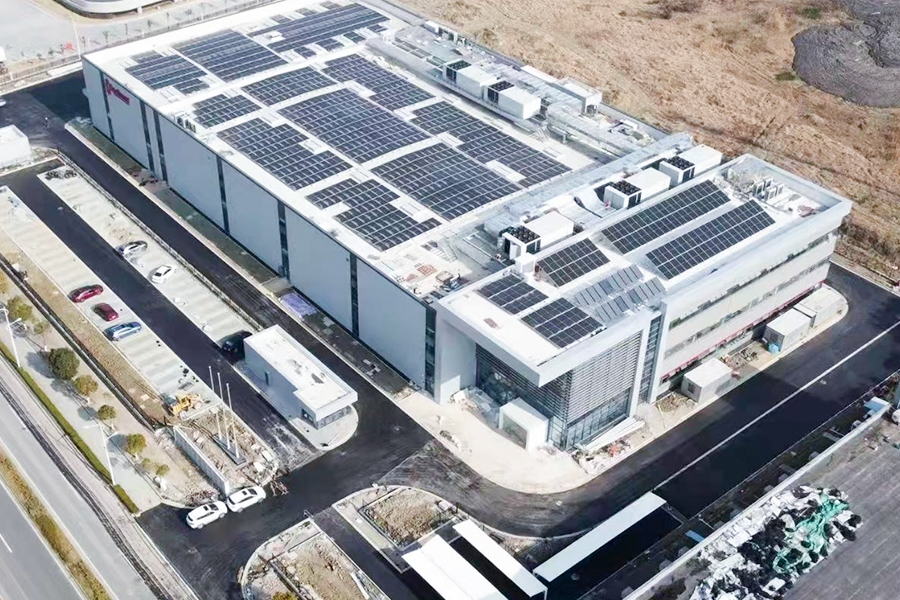
Wuxi Rongbro Intelligent Equipments Co., Ltd. operates as a full-service steel structure manufacturer and EPC contractor, delivering turnkey solutions for commercial, industrial, and public building projects across domestic and international markets.
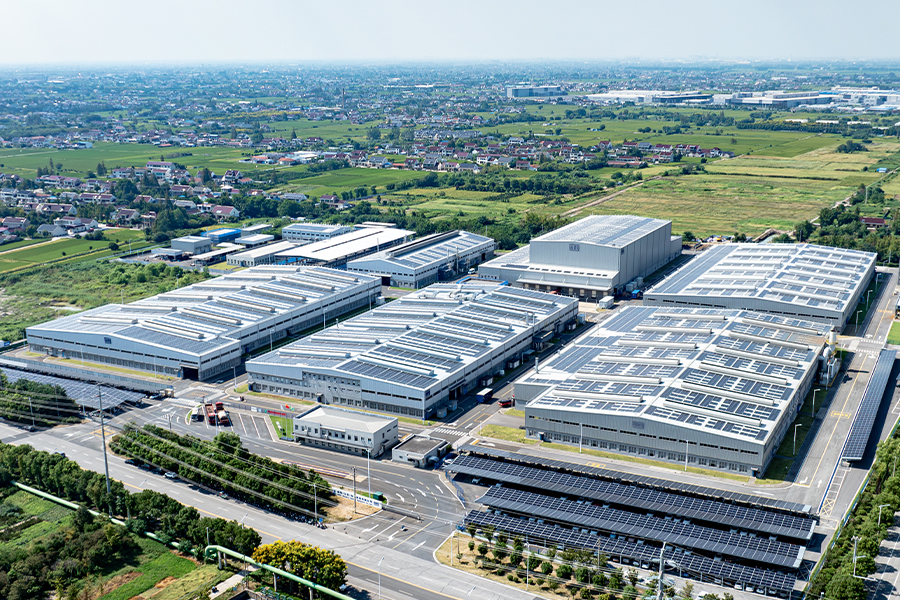
Rongbro's manufacturing facility runs on a zero-carbon smart factory model, integrating automated fabrication, precision CNC processing, and digital quality control to meet European and American construction standards. This manufacturing infrastructure supports consistent output quality across projects of varying scale and complexity — from commercial retail developments to high-rise structural frames and large public facilities.
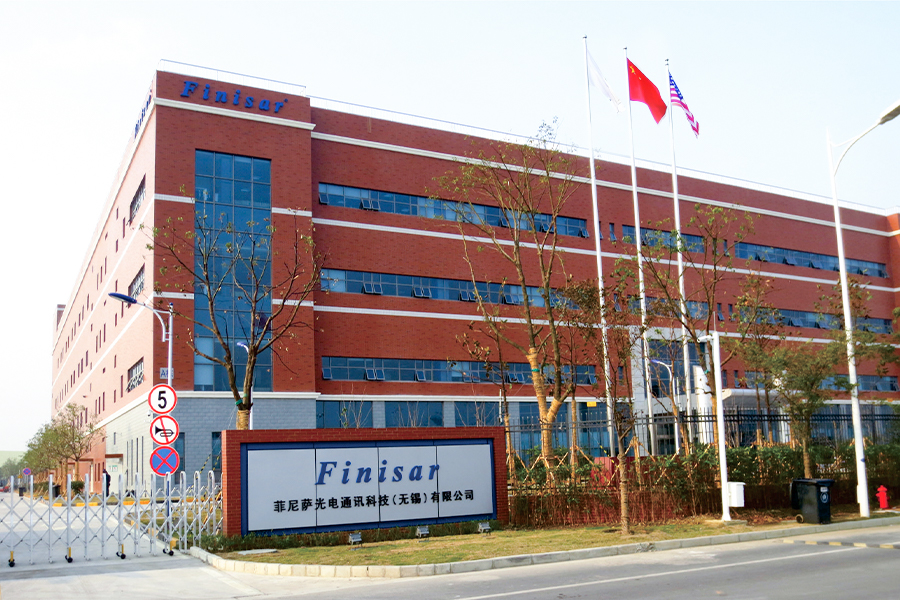
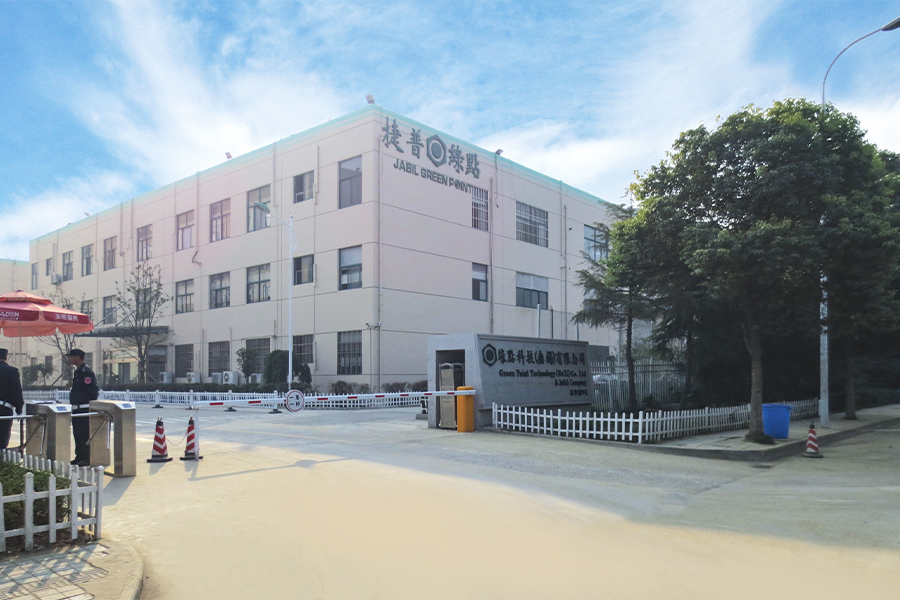
The company's project portfolio covers the full spectrum of commercial and mixed-use building types: retail and automotive sales centers, office buildings, warehousing and logistics facilities, and specialized industrial environments. Green energy and innovative building solutions are also part of the offering, reflecting growing demand for low-carbon building systems among commercial developers.
On the international side, Rongbro's overseas project experience spans multiple regions, with structural components fabricated to the specifications and tolerances required by local building authorities. The team manages logistics, technical documentation, and on-site coordination to deliver complete structures rather than just fabricated components.
Getting Started: From Inquiry to Handover
A commercial steel structure project follows a clear sequence, and the earlier a qualified provider is engaged, the more value they can add to the design and engineering phase.
The process typically begins with a project brief covering building footprint, intended use, site conditions, local code requirements, and budget parameters. From there, the engineering team develops structural drawings and material specifications, which feed directly into the fabrication schedule. Prefabricated components are produced in the factory, quality-inspected, and shipped to site for assembly.
For clients working across borders, Rongbro handles the full coordination chain — from structural design through manufacturing, export documentation, logistics, and on-site technical support — under a single EPC contract. This model is particularly effective for projects in markets where local steel fabrication capacity is limited or where international-standard quality is a contractual requirement.
The right commercial steel structure solution starts with the right conversation. Whether you're developing a retail complex, an industrial park, or a mixed-use facility, contact Rongbro to discuss your project requirements and receive a tailored proposal.
Interested in cooperation or have questions?
Contact Us Now !


 +86 18006174555
 +86-510-87555500
No. 8 Wushuang Road, Zhangzhu Town, Yixing City, Jiangsu Province, China
QR Code

Copyright © 2025 by Wuxi Rongbro Intelligent Equipments Co., Ltd. Rights Reserved.
 Steel Structure EPC Contractor