 Send mail:
 Call us:+86-510-87555500
 Whatsapp:+86 18006174555
 Search
 English
  中文简体
中文简体 日本語
日本語 русский
 عربى
عربى Inquiry Us Now
Prefabricated Steel Bridge Components: Expert Manufacturer Since 2009
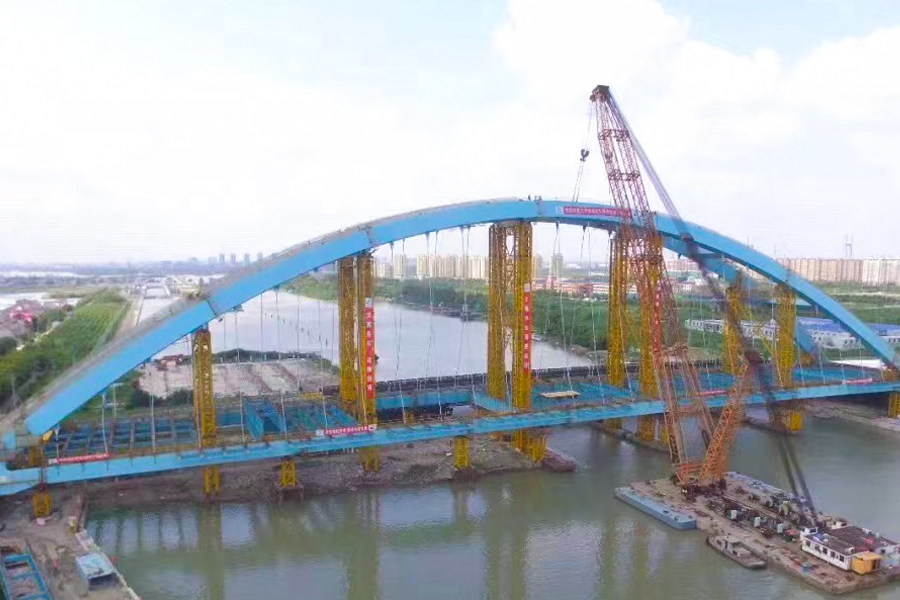
Modern bridge construction demands speed, precision, and reliability that only off-site manufacturing can deliver. Prefabricated steel bridge components cut on-site assembly time by up to 40% while ensuring every beam, truss, and connection meets tolerances within 1 mm. Backed by 16 years of specialized experience since 2009, Wuxi Rongbro Intelligent Equipments Co., Ltd. provides end-to-end solutions that exceed project requirements and build lasting trust through meticulous execution.
Content
- 1 Why Prefabricated Steel Components Are Transforming Bridge Building
- 2 Precision Engineering Rooted in 16 Years of Expertise
- 3 Material Integrity and Compliance Standards
- 4 From Industrial Plants to BIPV Systems: A Broad Engineering Foundation
- 5 Client-Centric Execution That Builds Enduring Trust
- 6 End-to-End Project Support: Design, Fabrication, and Installation
- 7 Prefabricated vs. Traditional On-Site Bridge Steelwork: A Quick Comparison
Why Prefabricated Steel Components Are Transforming Bridge Building
Fabricating steel bridge parts in a controlled factory environment eliminates weather delays, reduces safety risks, and improves quality consistency. Key advantages include:
- Accelerated project timelines: Components arrive ready to erect, slashing on-site welding and alignment work by 40–50%.
- Superior weld quality: Automated, shop-controlled processes achieve full penetration welds with fewer defects than field welding.
- Cost control: Reduced site labor, minimized weather standby, and predictable material usage keep budgets on track.
- Design flexibility: Complex geometries and integrated connections are easier to produce with advanced CNC machinery.
Precision Engineering Rooted in 16 Years of Expertise
Since 2009, Wuxi Rongbro has focused exclusively on high-precision steel component manufacturing. This long-term specialization translates directly into bridge component quality: the factory operates with CNC cutting, robotic welding, and laser alignment equipment capable of holding dimensional tolerances of ±0.5 mm on critical connection plates. Every weld is visually inspected and subjected to ultrasonic testing where required, ensuring that each prefabricated girder or bracing member meets both ASTM and GB standards.
Material Integrity and Compliance Standards
All steel used in bridge components is traceable to the mill and certified to mechanical and chemical properties. Common grades include Q355B, Q390C, and S355J2 for structural members, with optional weathering steel (Corten) for corrosion resistance. After fabrication, surfaces receive a multi-layer protective system: shot blasting to SA 2.5, followed by zinc-rich primer and high-durability topcoat, ensuring a design life of 50 years or more with minimal maintenance.
From Industrial Plants to BIPV Systems: A Broad Engineering Foundation
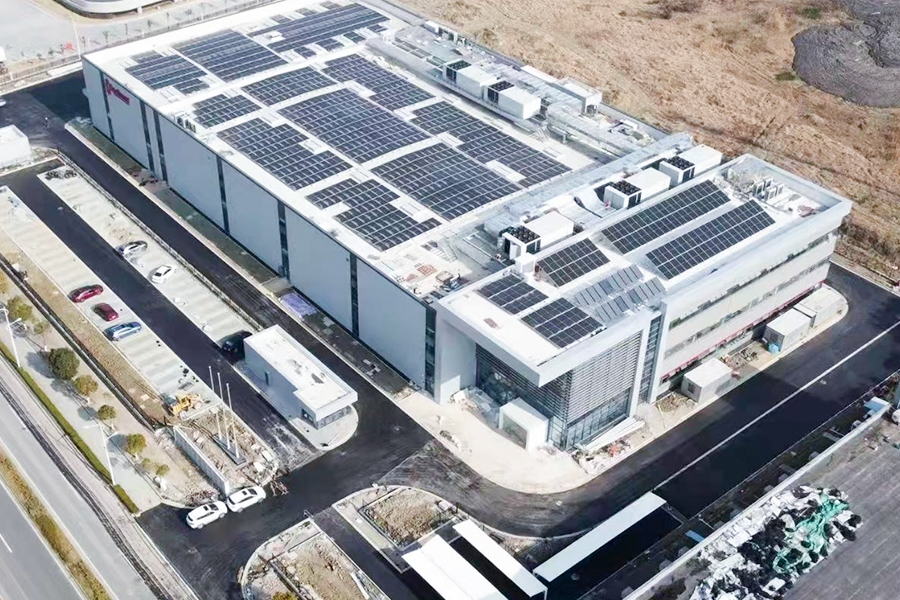
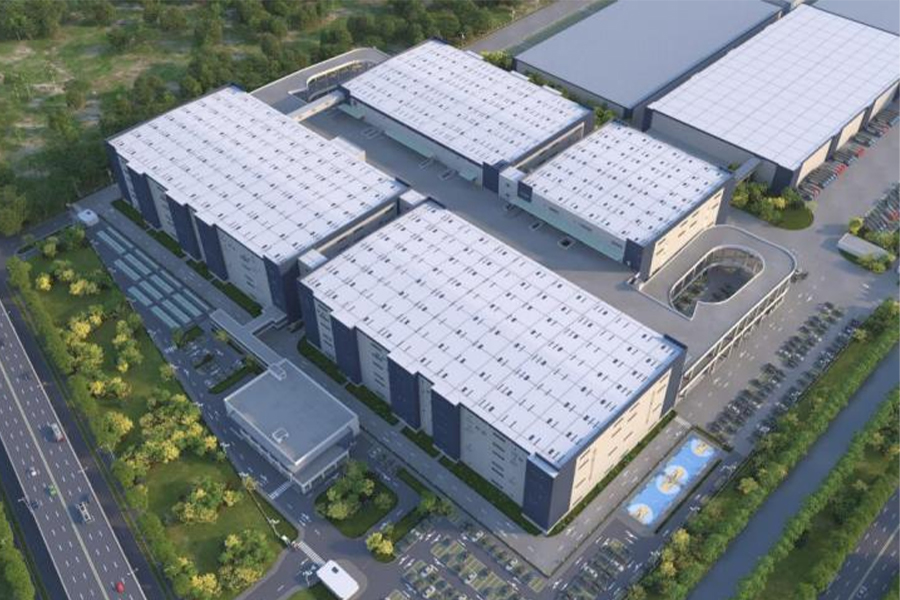
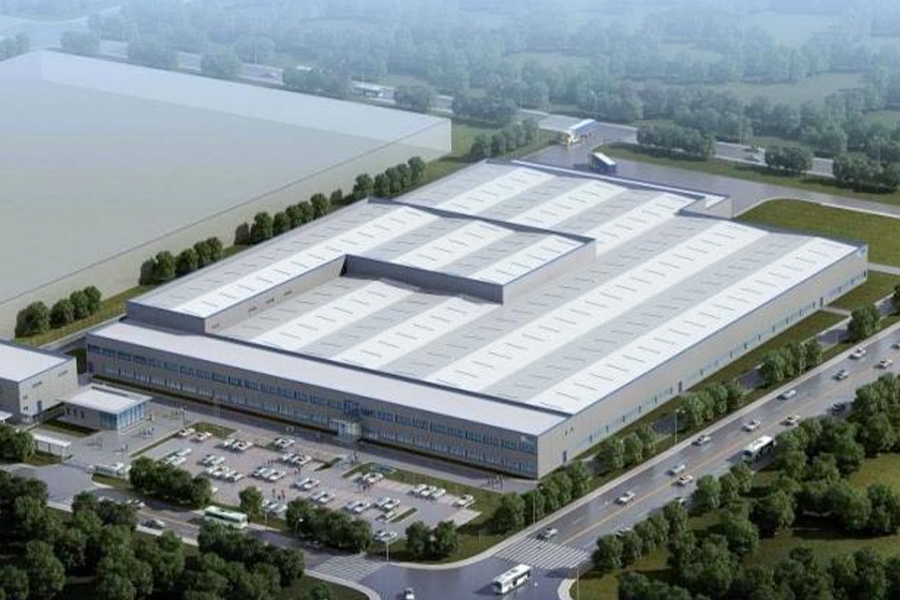
Bridge fabrication benefits from a diversified portfolio. Wuxi Rongbro’s scope encompasses industrial plants, high-rise buildings, large-scale public structures, port equipment, petrochemical installations, military hardware, and Building-Integrated Photovoltaic (BIPV) systems. This cross-sector experience means solutions for bridge components often draw on high-precision techniques from other industries—whether it’s the fatigue-resistant detailing of crane structures or the aesthetic surface finishing of architectural steel.
Client-Centric Execution That Builds Enduring Trust
A deep understanding of client requirements underpins every project. The team engages early with engineering firms and contractors to optimize connection details, shipping constraints, and erection sequences. Every order is treated as a trust-building exercise: batch-specific inspection reports, photos, and dimensional checklists accompany deliveries, and any site feedback is addressed within 24 hours. This commitment has sustained long-term partnerships with both domestic and international infrastructure developers.
End-to-End Project Support: Design, Fabrication, and Installation
The company provides a seamless workflow from initial design to on-site support:
- Design review: Engineers verify structural models and suggest value-engineering improvements to reduce weight and cost.
- Detailed shop drawings: Every plate, stiffener, and bolt hole is modeled in 3D to eliminate clashes before cutting.
- Fabrication and testing: Certified procedures, traceability records, and NDT reports ensure full compliance.
- Logistics and installation supervision: Components are delivered in sequence with matched erection plans; site advisors can guide the assembly when needed.
Prefabricated vs. Traditional On-Site Bridge Steelwork: A Quick Comparison
| Aspect | Prefabricated Components | On-Site Fabrication |
|---|---|---|
| Assembly speed | 40–50% faster | Weather-dependent, slower |
| Dimensional tolerance | ±0.5–1 mm | ±3 mm or more |
| Quality control | Shop NDT, full traceability | Limited, visual checks |
| Site safety risk | Low (minimal hot work) | High (extensive welding, lifting) |
| Coating integrity | Shop-applied, uniform | Field touch-ups, less durable |
Choosing a manufacturer with 16 years of focused expertise in high-precision steel components guarantees that prefabricated bridge elements arrive on time, fit perfectly on site, and perform reliably for decades. Wuxi Rongbro’s combination of advanced production, rigorous quality management, and client-first execution makes it a trusted partner for steel bridge projects in China and globally.
Interested in cooperation or have questions?
Contact Us Now !


 +86 18006174555
 +86-510-87555500
No. 8 Wushuang Road, Zhangzhu Town, Yixing City, Jiangsu Province, China
QR Code

Copyright © 2025 by Wuxi Rongbro Intelligent Equipments Co., Ltd. Rights Reserved.
 Steel Structure EPC Contractor